A Parent’s Guide to Prevention
A starter kit to support parents/caregivers in understanding, addressing, and preventing youth substance use
Understanding
Youth may use substances for various reasons, including:
- Curiosity
- Peer Pressure
- Stress and Emotional Struggles
- Rebellion
- Performance Enhancement
Common Substances:
Alcohol, tobacco/vaping, marijuana, prescription drug misuse, illicit/illegal drugs like fentanyl*
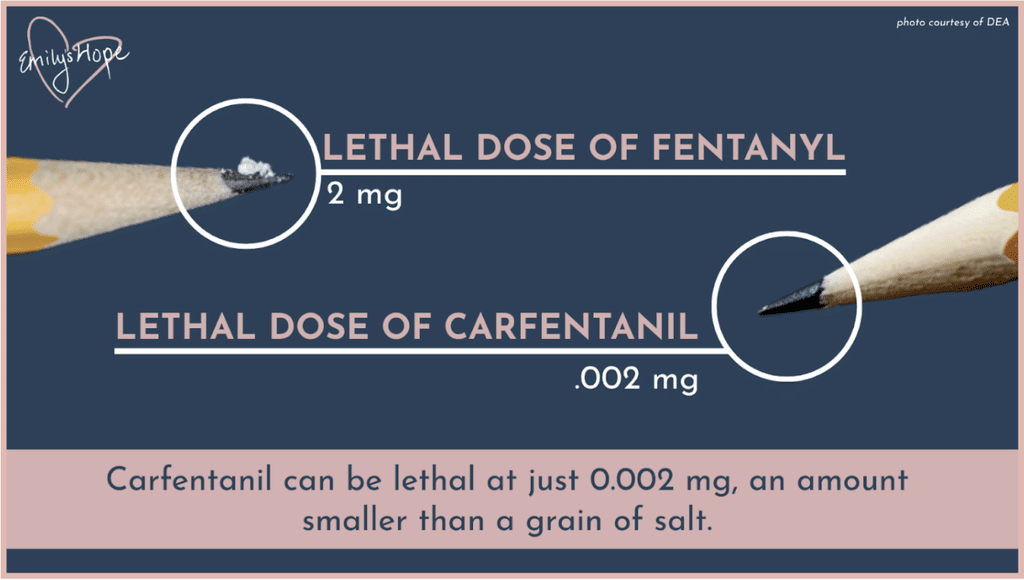
*Fentanyl is a deadly synthetic opioid being laced in illicit drugs that’s 50X more potent than heroin
Source: National Center for Drug Abuse Statistics
Addressing
TALK TO YOUR CHILDREN
- BE OPEN & NON-JUDGMENTAL
- PRACTICE ACTIVE LISTENING
- EXPRESS CONCERN, NOT ANGER
- SHARE FACTS ABOUT THE RISKS
- SET CLEAR EXPECTATIONS
“I practice absolute transparency. I had a meth addiction in my youth, and I want to be honest about my past; I want to answer questions honestly and have my kids be honest with me.”
– Parent of a teen
RECOGNIZING SIGNS
OF SUBSTANCE USE
- Behavioral Changes:
- sudden shifts in mood
- increased secrecy
- changes in social circles
- Physical Symptoms:
- bloodshot eyes
- unusual smells
- lack of coordination
- Academic Issues:
- decline in grades
- missing school
- loss of interest in activities
- Health Problems:
- frequent illness
- unexplained injuries
- significant changes in weight
- changes in sleep patterns
increase in opioid overdose deaths among 15-24 year-olds since 1999
Need a place to start the conversations with the youth in your life?
The conversation starters below can help.
Early Elementary (K – Grade 2)
- What is the most important part of your body? Why do you think that?
- What are some ways you can keep your body healthy?
- What healthy habits do we have at home?
- What are some things that made you happy today?
- When was the last time you felt sad, angry, or mad? What made you feel that way?
- Why is it important to keep your brain healthy and safe?
- How can we keep our brains healthy at home? (Some ideas might include: wear a helmet, get plenty of sleep, wash our hands, etc.)
- Who are the trusted adults in your life?
- What is PTA (Pause, Think, Act), and how can it help you to make good choices?
- Why is it important to only take medication from a trusted adult?
- What are some things you can do to calm your body down? (Some ideas might include: slowly count to ten, take deep breaths, find a quiet space, talk to a trusted adult)
- What can I do to make sure you always feel safe coming to me?
Upper Elementary (Grade 3-5)
- Asking for help is a sign of strength, not a weakness! Who are the trusted adults that you can talk with in your life?
- What is PTA (Pause, Think, Act), and how can it help you make good choices?
- Why is it important to only take medication from a trusted adult?
- Do you know the difference between an over-the-counter medication and a prescription medication?
- How do you know when to call 911 and when to ask for help from a trusted adult? What is the difference?
- Ask your child to share who their closest friends are with you and why they enjoy being with them. Do they encourage your child to make positive choices?
- Have you ever taken someone else’s medication? Why is that so dangerous?
- What are the advantages of making healthy decisions? How does that help you?
- What helps you feel calm?
- Is there anything you’re curious about but worried/afraid to ask me about?
- If one of your friends made a mistake or needed help, would you feel comfortable telling me?
- What can I do to make sure you always feel safe coming to me?
Middle School & High School
- Have you ever taken someone else’s medication?
- Have you ever been in an uncomfortable situation with your friends that didn’t feel right? How did you handle it?
- Have you or any of your friends experimented with drugs?
- Why is it important to pause and think before you act?
- What are some consequences you can think of if/when people experiment with drugs?
- Have you ever had long-term feelings of sadness or stress?
- Why is asking for help a sign of strength rather than weakness?
- If a friend made a mistake and needed help, would you feel comfortable asking me for help?
- Why do we keep medications in safe/regulated places and make sure to dispose of prescriptions appropriately?
- Have you ever encountered a situation in a bathroom where you witnessed others participating in risky behaviors?
- How would you say no to a friend or a peer if they offered you an illegal substance?
- Have you ever purchased anything through Snapchat or any other social media platforms?
Prevention is Key
Effective Prevention Foundations: Education, Coping Skills, Support
The Impact of Risk Factors
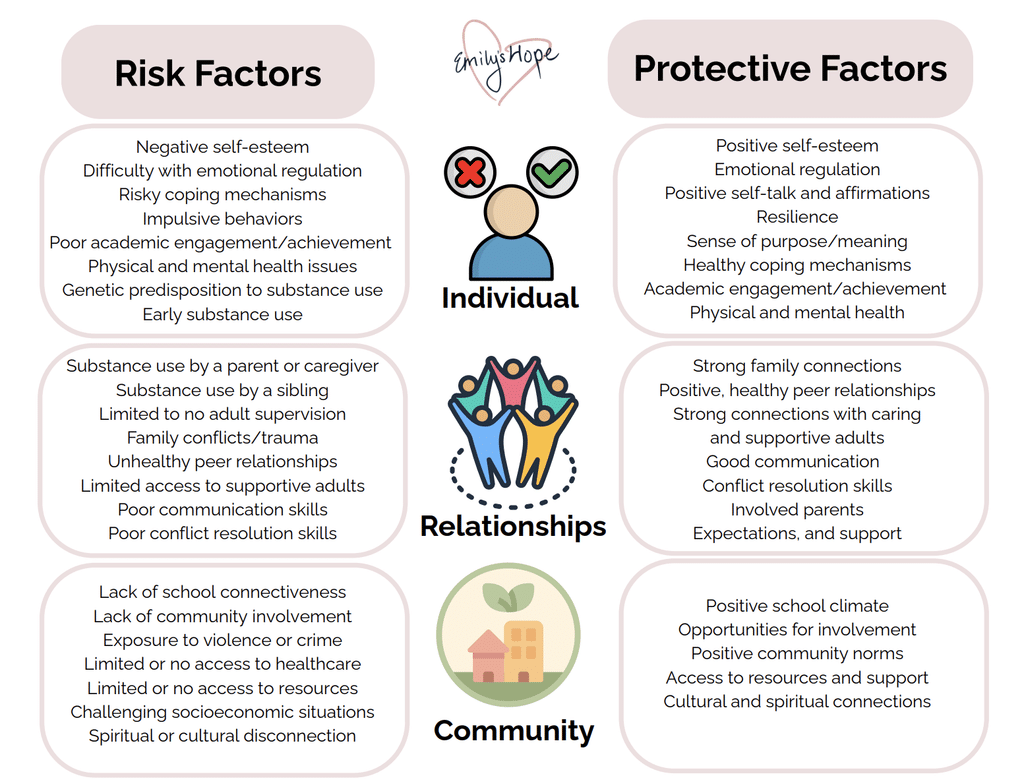
Research has identified that the likelihood of substance misuse and other adverse behaviors becomes greater as the number of an individual’s risk factors increases. While not all youth who have some risk factors will experiment with or use substances, youth who experience risk factors from early ages or in higher numbers increase the probability of developing substance use issues.
The Benefit of Protective Factors
Increasing the protective factors can buffer the impact of risk factors. This can be done through efforts by the individual themselves, with family and other important people in their lives, and within the school and community. Building strong protective factors in individuals, relationships, and community can support healthy youth development.
Helping students identify risk and protective factors empowers them to see how these dynamics shape their choices, enabling them to proactively build and strengthen positive safeguards.
As a trusted adult in the life of a child, adolescent, or teen, you can support their development and protective factors by:
- Increasing your awareness about substances and their effects on the developing brain.
- Developing and maintaining a strong and positive presence in their life.
- Being aware of your child’s social, emotional, and mental health.
- Help your child understand and learn to respond in healthy ways to their emotions.
- Keeping the opportunity for conversations open.

The Mental Health and Substance Use Connection
There is an intertwined connection between mental health and substance use for adolescents, teens, and young adults. Studies show that a significant portion of teens who use substances report doing so to cope with overwhelming emotions, stress, or trauma.
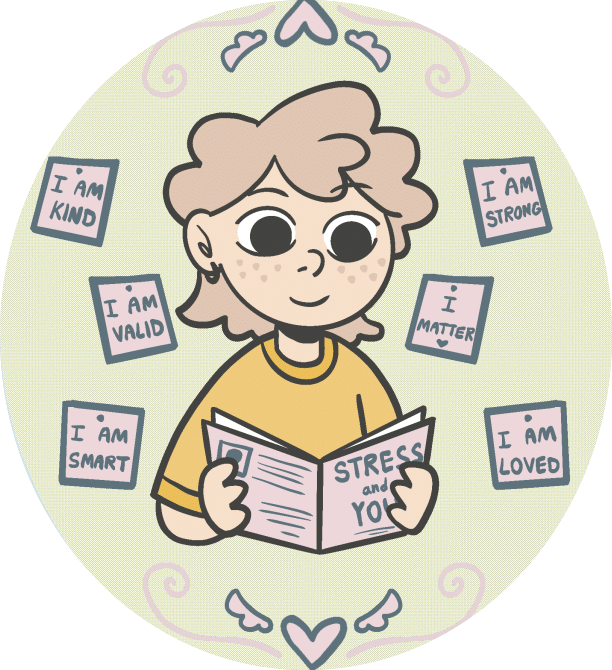
We all have big emotions and experience stressful situations. It is a part of life. These experiences help us develop coping skills and resilience. Teaching and practicing the development of healthy habits, goal-setting, and reflection can help reinforce these skills for students.
Teaching children, from a young age and continuing throughout the adolescent and teen years, how to recognize, label, and respond to their emotions, self-regulate, understand, and deal with stress supports protective factors and develops lifelong skills for success.
Resources
- SAMHSA
- Institute of Digital Media and Child Development: Children and Screens
- The American Academy of Child and Adolescent Psychiatry (AACAP)
- Hidden Risks in Popular Child and Teen Apps: Guidance for Online Safety and Legal Awareness
- Operation Parent Webinars
- Operation Prevention
- Partnership to End Addiction
- DEA: One Pill Can Kill
- SAM: Smart Approaches to Marijuana
- Get Smart About Drugs: Tools to Talk
- Culture-Based Prevention Resources
- CMC: Foundation for Change: Evidence-Based Tools for Substance Use
- Natural High
- The Anxious Generation- Jonathan Haidt
- Careers of Substance: Youth And Young Adults Resources
- Informed Families– What Parents Should Know About Youth Drug Trends in 2026
- SchoolSafety.Gov
- How Parents Can Talk to Children About Vaping Risks